|
| Merits of the Mashona Amazing adaptation to a hot, sunny climate, poor soils and nutritional scarcity |
Home | Mashona History | Mashona Merits | |||
| News | Mashona Breeders | Contact Us | ||||
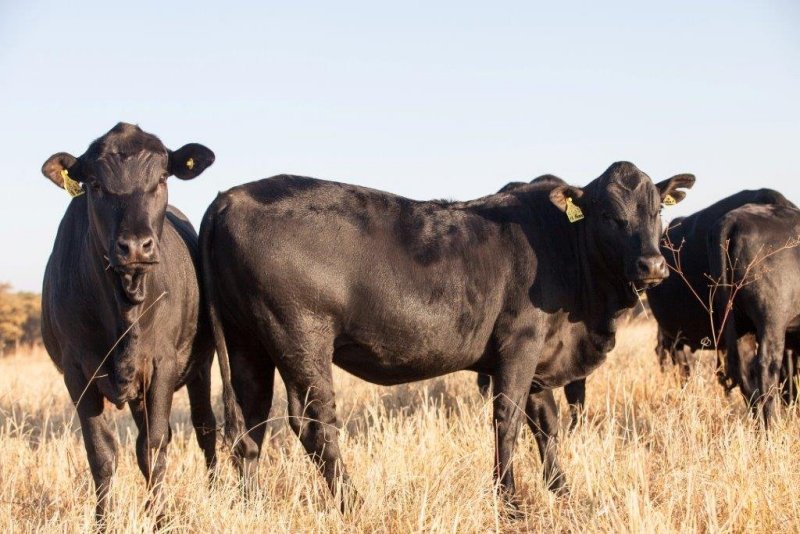
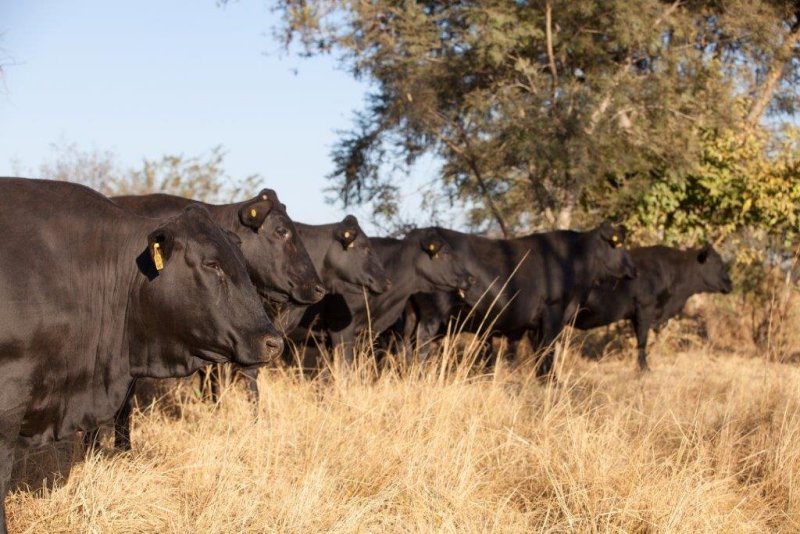
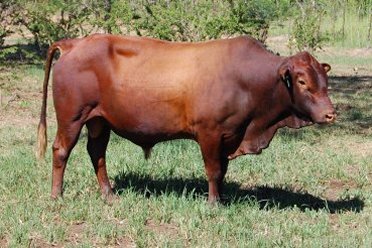
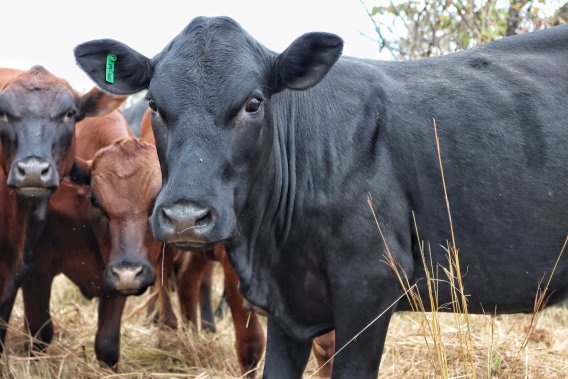
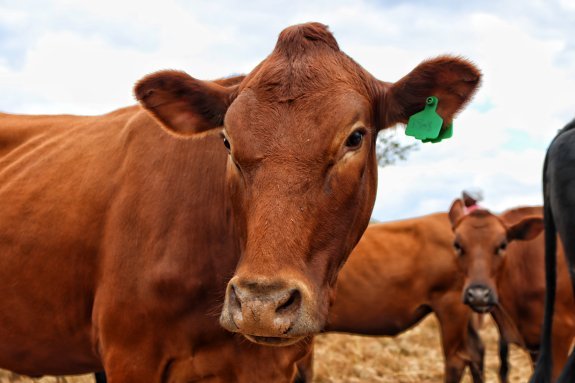
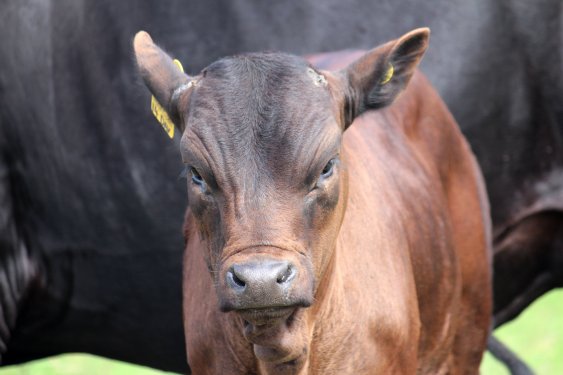
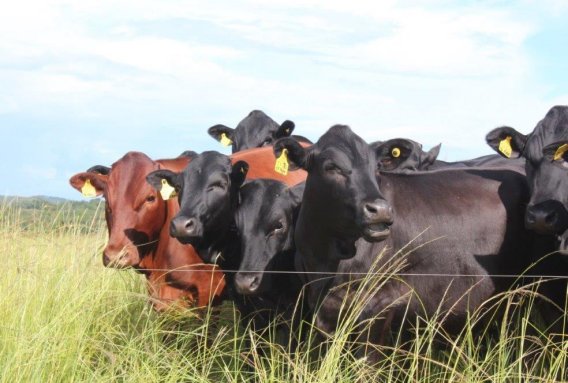
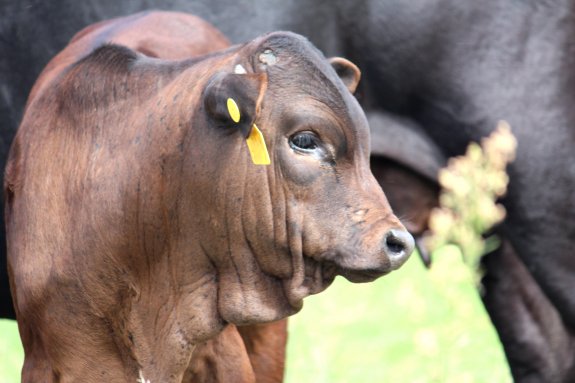
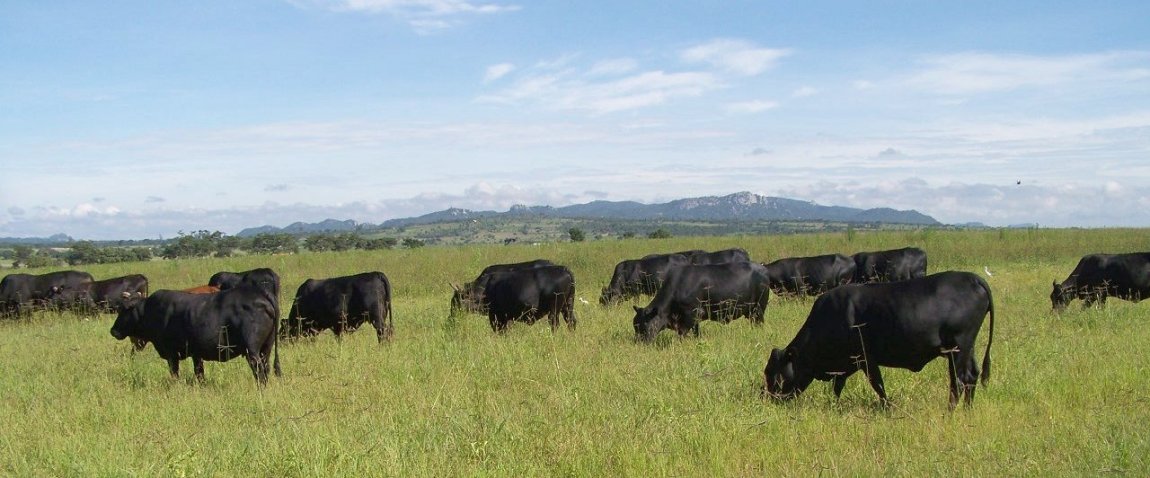
| The Mashona breed has evolved anatomically and physiologically over many centuries to handle our tough African environment. These animals have adapted beautifully, so that they efficiently dissipate heat from their bodies and hence are not stressed by high ambient temperatures. Their smooth glossy coats, thick, movable skin, numerous sweat glands and high vascularity all facilitate rapid heat dissipation.
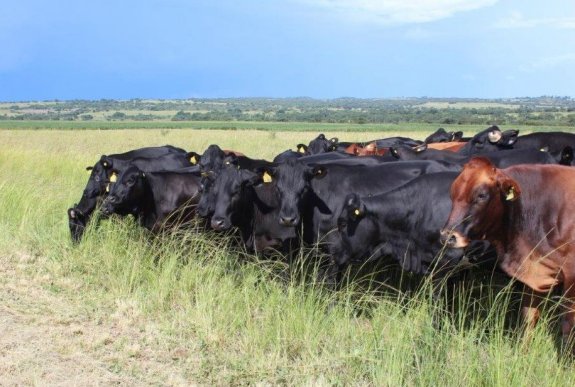
Their large surface area per unit mass, with skin surface area often increased by extra folds in the dewlap, neck and scrotum, further assist heat loss, along with their fat deposits being primarily intramuscular rather than subcutaneous, which reduces tissue insulation. Mashonas also have a relatively low metabolic rate. Hence, under heat stress, there is less metabolic heat to be dissipated. The Mashona’s pigmented hide and high quantity of sebum secretion from the skin, which spreads over the hair, protect the animal from the various potentially damaging effects of high ultraviolet radiation found in our climatic conditions – cancers, hyperkeratosis and inflammation. The Mashona is relatively tick-repellent due to its thick, movable hide, well-developed panniculus muscles and sensitive pilomotor nervous system. The hide reacts more rapidly to the slightest irritation. The Mashona is hence highly resistant to physical tick damage and infection with tick-borne diseases and the same characteristics repel flies and other biting insects, with the high quantity of sebum secretion also helping to repel insects. The small size and low metabolic rate of the Mashona is to great advantage. Highly adapted to adverse nutritional circumstances, survival and production even in dire conditions are superior to larger breeds, with maintenance requirements of cows being lower. With their small size and mobility, their ability to forage even when temperature and UV radiation are very high, and their durable teeth, Mashona cattle are very efficient, selective grazing animals. They also browse, and seasonally make wide use of a range of food resources, supplementing their diet with highly nutritious fruit, pods, freshly fallen leaves and legumes and boosting protein intake in the process.
|
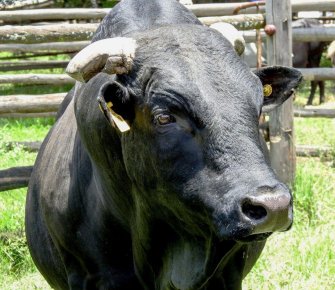
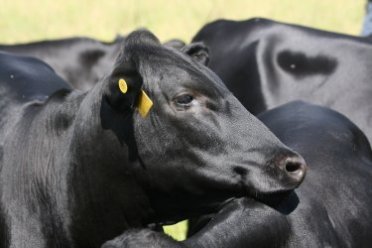
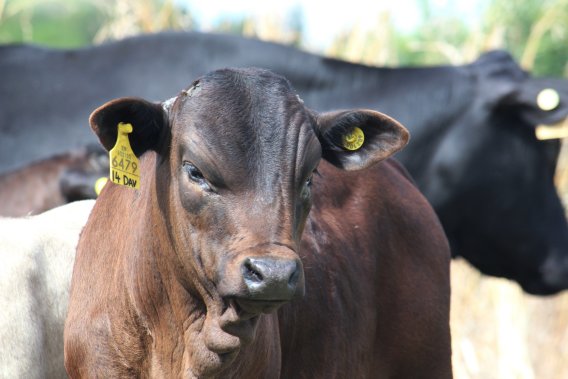
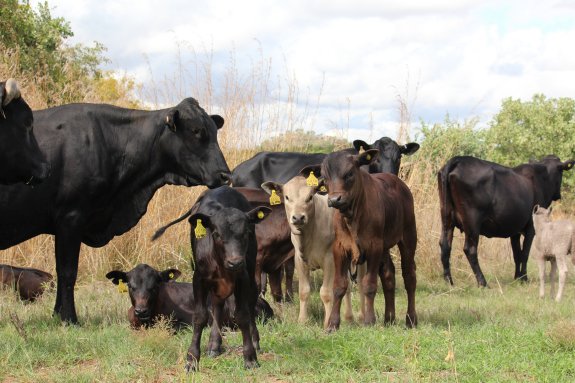
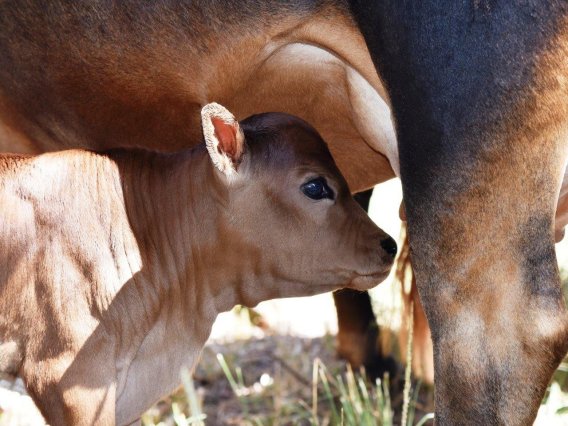
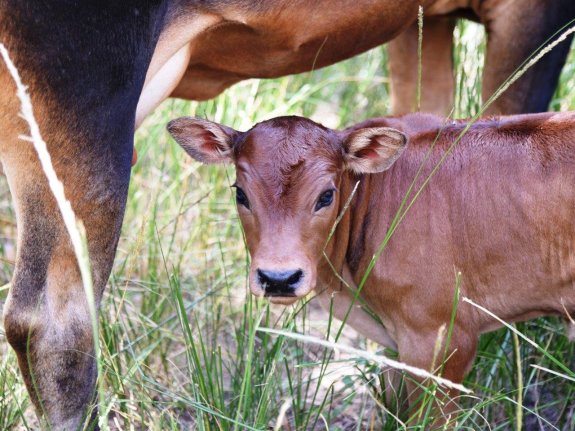
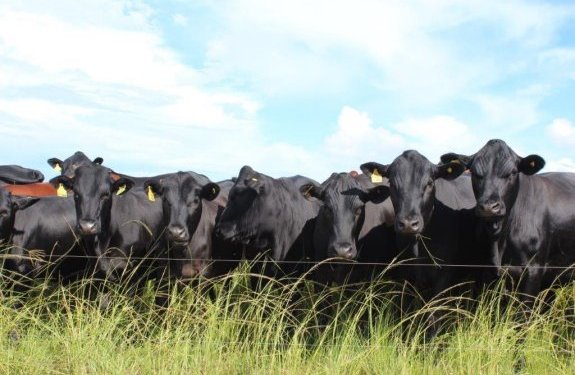
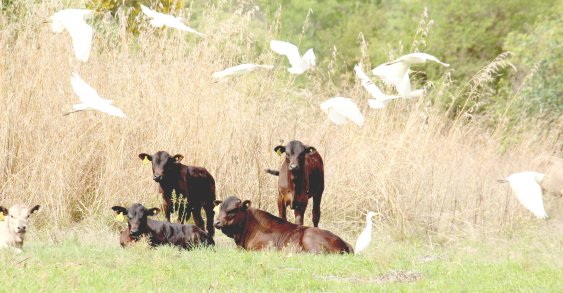
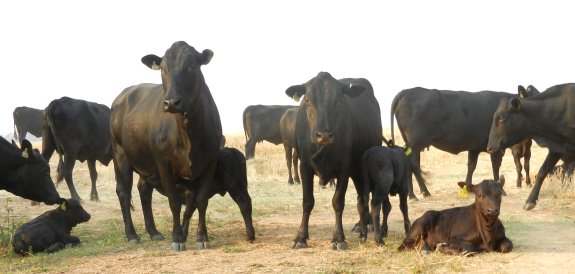
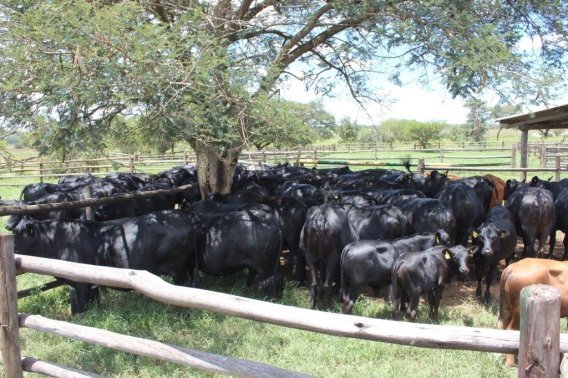
Temperament and behaviour The Mashona is docile and its relatively small body size further facilitates handling and management. Under ranching conditions, herd and maternal instincts are well developed. Females graze in groups which allows for more efficient use of bulls in the breeding season. At calving time, a few matrons guard the calves in a nursery area while their dams are grazing, protecting them and warning the rest of the herd if danger threatens. Bulls take naturally to single sire herds and exhibit good herd control. Reproduction Males possess good libido and are very mobile under ranching conditions. The scrotum is adapted to maintain correct testicular temperature under sub-tropical conditions. Females are highly fertile and give a consistently high annual calving percentage. Mashona cows calve easily and if bred pure, calving difficulties are virtually unknown. Even with cross-bred calves, birth mass seems contained by the dam's influence. Cow productivity Growth and efficiency
|
| Carcass conformation and quality The Mashona has a relatively high dressing percentage and with its early maturity, fattens and finishes at low body mass. The proportion of lean to bone and fat in the carcass is relatively high and as the Mashona’s fat deposits are largely intramuscular, meat is very juicy and tender. |
 |
 |
| THE MAIN MERITS OF THE MASHONA BREED
The Mashona Breed is thoroughly adapted to the Iocal sub-tropical environment. Here are the Main Mashona Merits in summary: |
||
Thoroughly adapted to the Iocal environment:
Valuable growth and efficiency traits:
|
Specific carcass conformation and quality traits:
Ideal temperament:
Beneficial behaviour patterns:
|
Excellent fertility:
Outstanding cow productivity:
|
 |
 |
|
 |
 |
 |
 |
 |
 |
 |
 |
 |
 |
 |
 |
 |
 |
 |
|
+