|
| History of the Mashona Cattle Breed Indigenous cattle of varying types are found across the entire African continent. Efforts began in the early 1900s to study and classify them, and piece together their histories. |
Home | Mashona History | Mashona Merits | |
| News | Mashona Breeders | Contact Us |
| June - July 2026
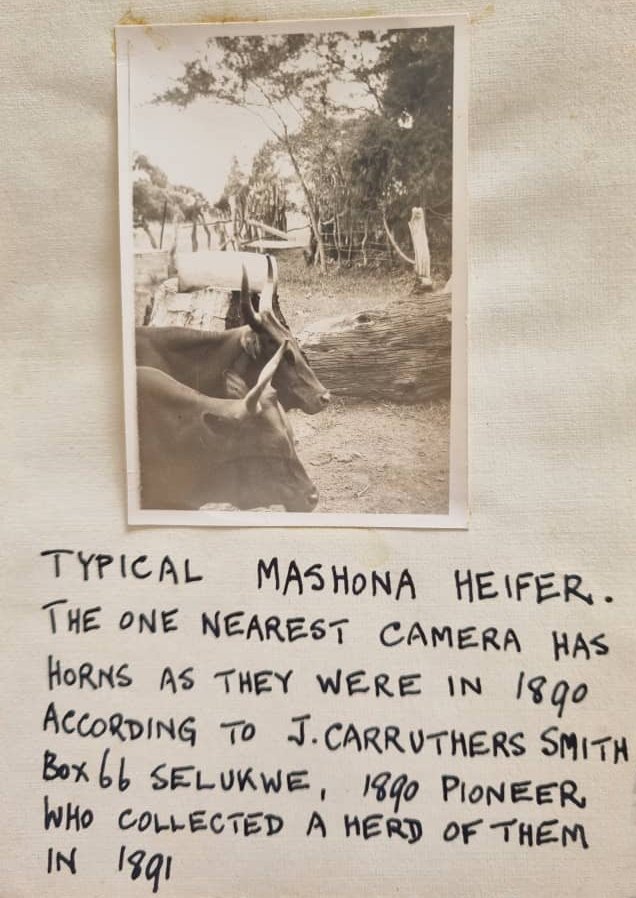
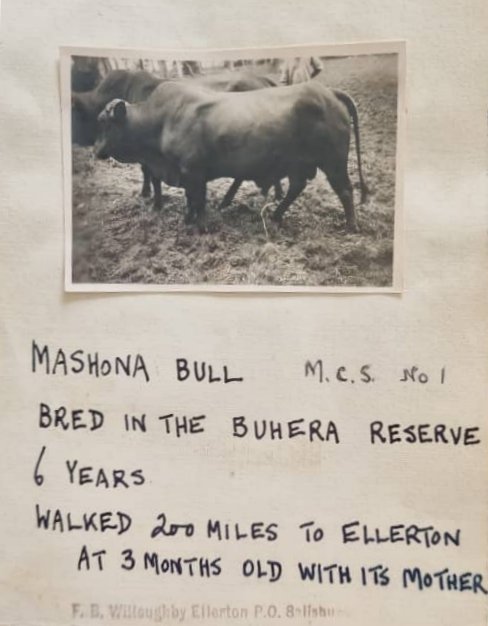
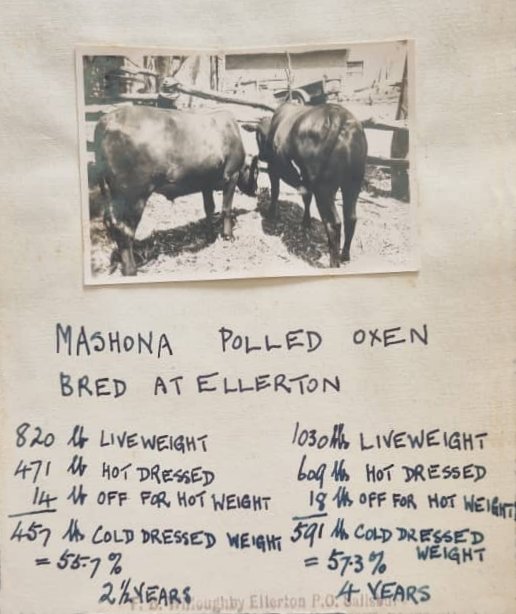
Maree Osborne has recently found this fascinating article by the late, great Carmen Stubbs, describing her extensive visit to cattle operations all over the USA in 1988. It provides a wealth of information and is an excellent, enjoyable read for any cattle breeder! Also fascinating and very informative, is this 1987 article Maree has unearthed, by Keith Harvey, written in his delightfully amusing and easy-to-read style: The History and Development of the three Indigenous Cattle Breeds of Zimbabwe April 2026 A recent extensive search through archival materials by Maree has unearthed some fascinating old papers and documents. The Mashona Cattle Society has records going back to its inauguration - and these delightful early photos have come to light. Enjoy the pictures below, and follow the links to download some excellent reading. Delve deep into the early history of our hardy breed, and other indigenous cattle breeds too. Click the links at right to download... |
The Native Cattle of Southern Rhodesia by Eric Nobbs The South African Journal of Science Volume 24 1927 pages 328 to 382 Studies in Native Animal Husbandry: Makalanga Cattle By JRH Bisschop and HH Curzon A Contribution to the Study of African Native Cattle |
|
Another informative and interesting discovery: You can access and download these useful informative articles using the links at right: |
Papers by Holness and Tiffin on Feeding & Breeding: Strategic Feeding and Utilisation of Farm Food Resources for Cattle by Dave Holness Breeding and Selection for Efficiency in Beef Cattle by John Tiffin |
|
 |
 |
 |
Early History of Cattle in Africa, and in Southern Africa Owing to the scant availability of records, the history of Africa's indigenous cattle breeds is in large part based on theory, presumption and deduction. |
||
| Humpless Longhorn Cattle Presumed the original cattle of North Africa, and now only found in West Africa, 7000-year-old illustrations of these have been found painted in ancient Egyptian tombs. Chest-humped Shorthorn Zebu Humpless Shorthorn Cattle Neck-humped Lateral-horned Zebu They likely came in via the horn of Africa, initially becoming established in Ethiopia, and spreading from there. Today’s Afrikaner breed, developed from the Khoi cattle found in the Cape by early settlers, owes its genetics to these ancient cattle.
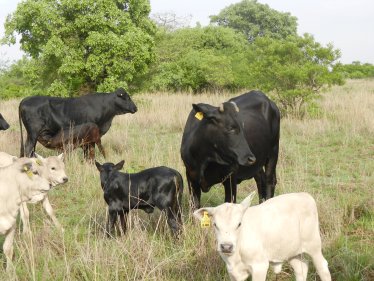
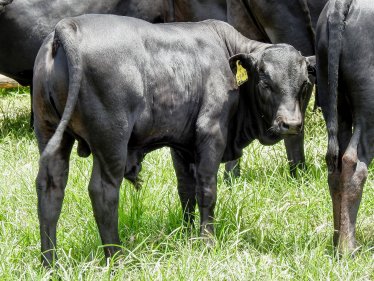
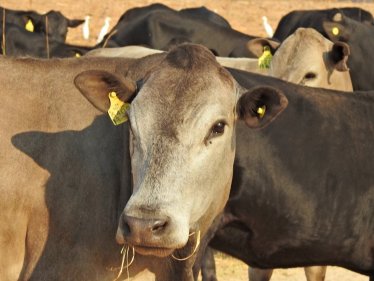
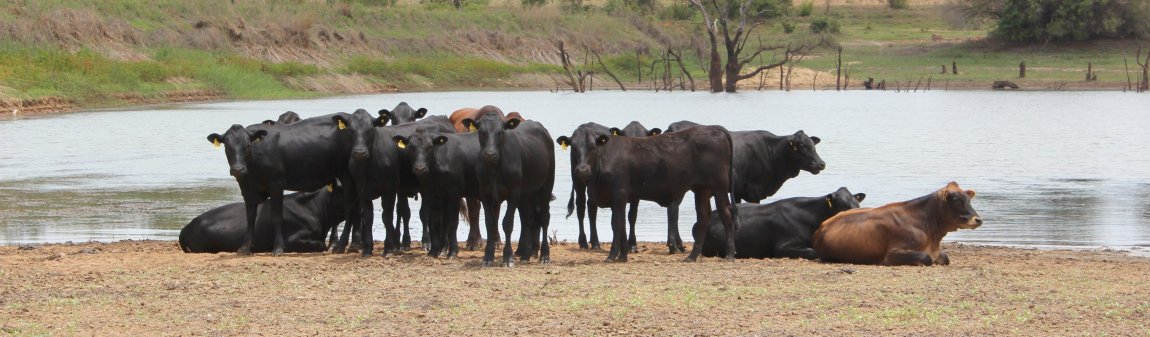
Hardy Mashona mothers and calves in the veld |
Sanga Cattle Widespread across South, Central and West Equatorial Africa, and incorporating Zimbabwe's indigenous breeds, the Sanga resulted from crossbreeding between the original humpless cattle and the zebus. Usually neckhumped, horn size and shape varies greatly. Migrating Bantu tribes moved down Africa with their cattle, crossing the Zambezi around 700 AD. Portuguese explorers found cattle well established in this country in the 16th Century and later, 19th century settlers recorded that local people kept large numbers of these small Sanga cattle, with neck humps and sleek, shiny coats. National herd size was estimated at 500 000. Most were horned but a few were naturally polled. Colour patterns were many and varied; predominantly black, followed by reds and browns, with yellows and duns being less common. A fair number had white patches or stipples. Black and red were frequently mixed. In 1896, the Rinderpest swept down from the north, killing cattle and antelope alike, followed a few years later by East Coast Fever from Mozambique. Herds were decimated by these diseases, leaving only around To build up numbers again, cattle were introduced from Zambia, mostly cows, and probably Angoni type shorthorn Zebus. What genetic influence they had on native herds is unknown. Government and private players then began importing bulls from South Africa and overseas to upgrade and supposedly improve indigenous stock, a disastrously misguided move which led to indiscriminate cross-breeding, without any focus on maintaining the desirable characteristics of parent stock. Zimbabwe’s current distinct indigenous breeds, the Mashona, Nkone and Tuli, have been developed from this original stock. It is presumed that all original genotypes were actually Mashona. |
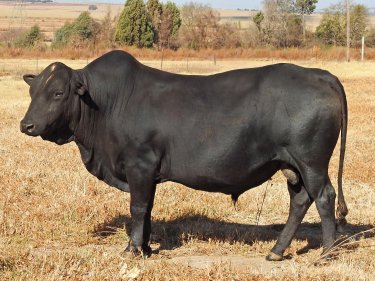
Nkone The Nkone breed descended from the cattle of the Mandebele who settled in Matabeleland in 1838. Most Nkone are found in the Gwaai area and surrounds. A small breeding herd was established at Tjolotjo in 1946, with a second at Msengenzi Experiment Farm in the Makwiro district of Mashonaland in 1953. The Nkone Cattle Club was set up by commercial breeders in the early 1960s. Tuli Mashona 40 years later in 1941, independently, Frank Willoughby and Allie McLeod began building herds of hardy indigenous cattle in Mashonaland. Willoughby bought much of his foundation stock in the Chilimanzi and Buhera areas. One particular polled bull, at just 3 months old, amazingly walked the full 200 miles from Buhera to Ellerton Farm, and would have a tremendous influence on the future Mashona breed. McLeod bought most of his original animals in the Mhondoro area. He trekked them first to Gokwe, then Essexvale, bought some polled bulls from Ellerton and by careful selection built a fine, hardy, fertile herd of small, docile, black, hornless cattle. The larger Ellerton herd was predominantly black but also kept most other colours and patterns of the native stock. Selection was again based on the most desirable functional characteristics of the indigenous cattle. In 1950 these two Mashona enthusiasts set up the Indigenous Cattle Society, later renamed the Mashona Cattle Society. |
| For the History of the Mashona Cattle Society - see our Home Page | ||
 |
 |
 |
 |
 |
 |
 |
||